In the digital era, almost everyone has the skills to search, evaluate and navigate information from online databases, which refers to the new term: Digital Literacies. As a student, I realize that digital literacies are the prerequisite for a college student to complete her academic goals. It happens every day that I search for information online to gather journals, researches and reviews that help me prepare for my classes. I also need to identify the true information as there is too many fragmented and fake information online. Moreover, I use school platform to access course materials while communicating with my teachers, classmates. As Vrana (2014) illustrates, students’ academic performance connects to their digital literacy skills, especially in higher education which emphasizes critical thinking and self-exploration of knowledge. Therefore, I believe that enhancing and exploring my digital literacies skills can help me develop more critical minds and learning abilities.
The entire online world is like the sea and the information like every drop of water in the sea, so there is no right or wrong for information. It is for reviewers to decide the characteristics of the information, which means some information is not safe. Hence, establishing recognition of digital security for digital literacy is also important.
This is the first post on my new blog. I’m just getting this new blog going, so stay tuned for more. Subscribe below to get notified when I post new updates.
After talking about how to technically write a blog and what to include in a blog to make it fun, in this page, I want to discuss what my blog is for.
In addition to illustrate and record my boring daily life just in case I sadly suffer from memory disease in the future, another major reason for digital publishing is to create a community and invite like-minded people to join me. The benefit of digital world is that there is no physical boundary or limitation of the community, which maximizes the quantity and variety of community members. By this, my readers could be from anywhere around the world and communicate with me in real time in the comment area no matter which time zone he or she is in.
The concept of digital society has been widely discussed since the 1990s, when people call it ‘the information age’ or ‘information revolution’ (Gates, 1995, p. 21). Undeniably, technology and internet have made major changes to people’s daily life and many norms, such as writing and reading, have been influenced greatly. For example, the media has changed from physical materials to digital formats; the way people criticize a literal work has become more direct and personal because a reader can easily and quickly comment or communicate with the author online. As Martin argues, skills developed in digital world have formed ‘digital literacy’. Utilizing digital tools, people are able to ‘identify, access, manage, integrate, evaluate, analyze and synthesize digital resources… and communicate with others’ (2008, p. 166-167).
Practically, I think 3 points are worth mentioning when creating an online community. Firstly, it is important to show the passion so like-minded people can agree with me. In addition to keep adding more smiley face pictures in my blog, I want to start a #gogosmile challenge online and encourage more people to share smiley faces under this hashtag. This small hashtag is so powerful that it connects every member together. Secondly, being meaningful and filling a need are of equal significance, from the perspective of resonance. As I mentioned, smiley face is a magical sign to lighten people up and its simplicity enables people to get rid of the mass of information online and have some peaceful me-time. In the end, always add value to the community. By this, I will add more sessions in this blog, such as fun facts of smiley faces, its history and how it is used in different industries. I want to make a fun Wikipedia of smiley faces and it is the community that I create and invite people to build with me.
References
Martin, A. (2008). Digital literacy and the “digital society”. Digital literacies: Concepts, policies and practices, 30, p. 151-176.
Gates, B. (1995). The road ahead. London: Viking Penguin.
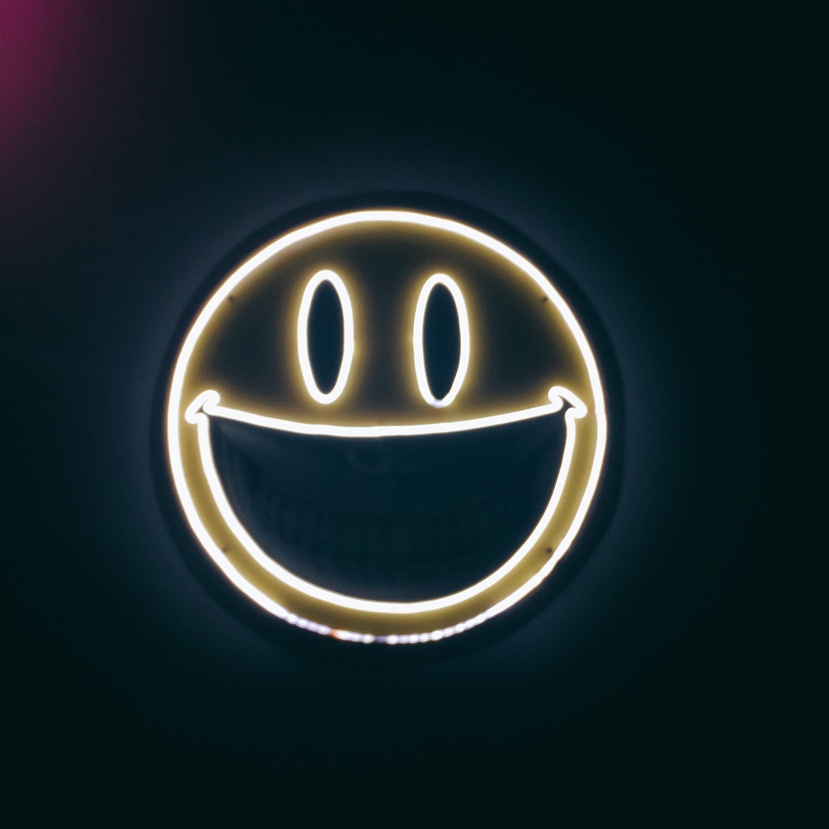
I like collecting smiley faces randomly in daily life. By collecting, I mean I take pictures of every smiley faces I see, no matter where it is and what format it is.
This time, I wrote a blog about smiley faces, per se, on WordPress. On the one hand, I think it is a good way to keep a record of them because it is digital and suppose to last forever (hopefully). Digitalized or collective memory has been a big topic in recent years, especially with the emergence of social media. There are many discussions on social media memory in academia, politically (Birkner and André, 2018), culturally (Bartoletti, 2011) or sociologically (Pentzold and Sommer, 2011). Personally, I feel very relieved because I consider digital memory as my life track. From a historical perspective, I want to show future generations how life has been and remind myself to seize every moment.
Secondly, I want to share a positive attitude with people on the Internet. Internet enables us to reach as much information as possible, which as a result, might remind us the dark side of the real world. I have seen many hatred posts on Twitter. I hope my smiley faces post can make the audience’s life a bit easier, even just for a second. I believe this is the power of digital publishing: expressing positive energy quickly and world-widely.
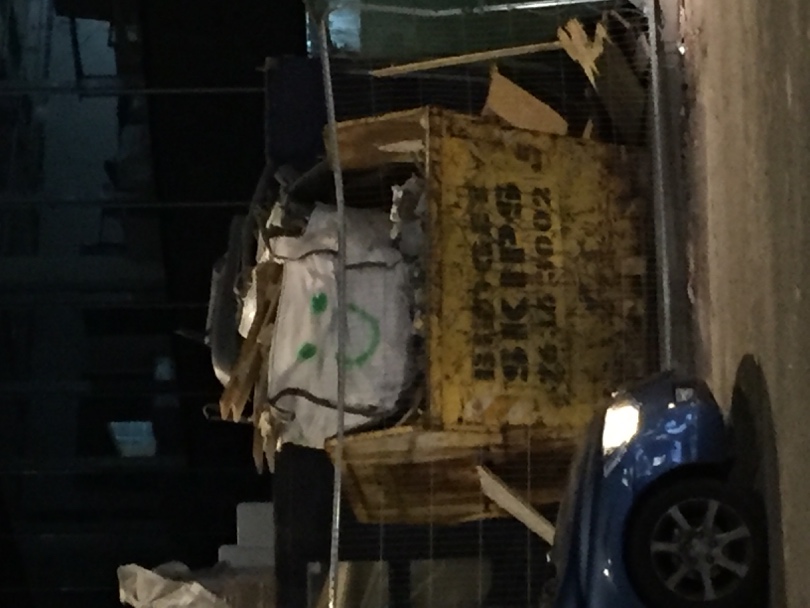
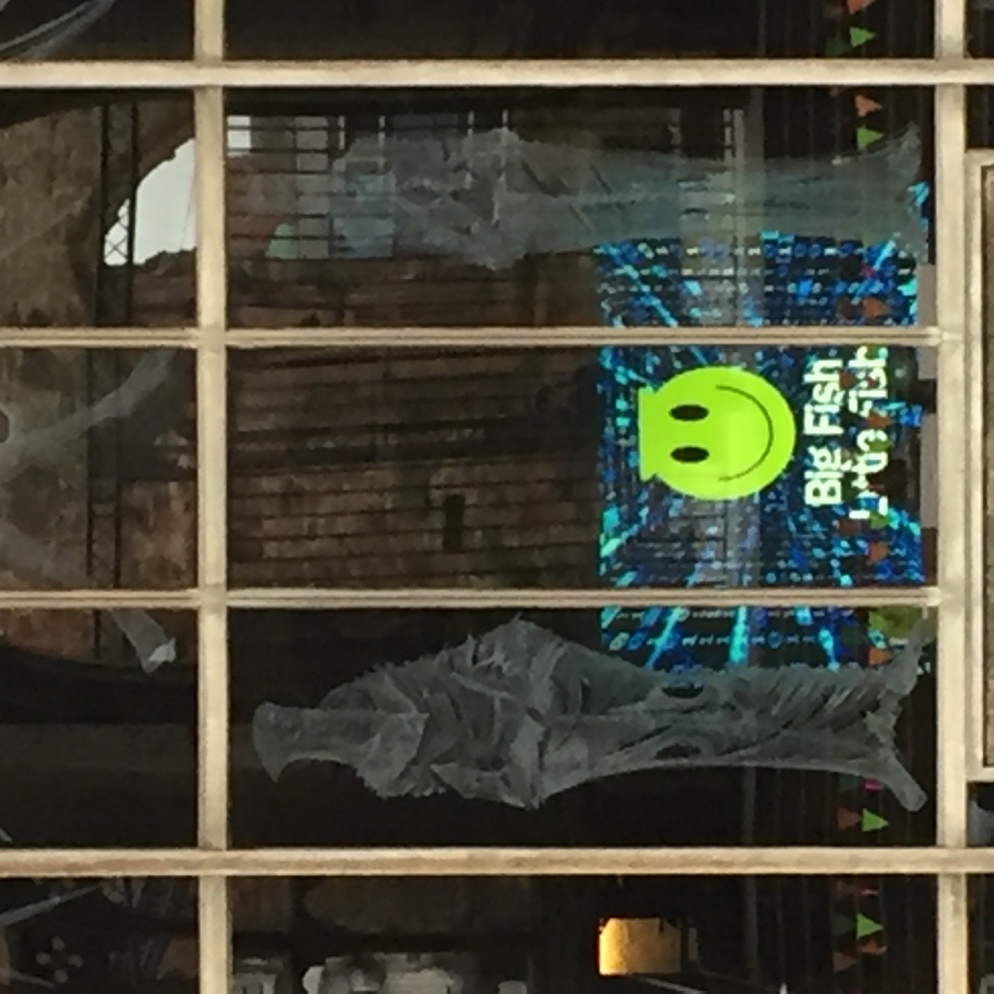
Last reason why I post on WordPress is that internet is an open community and I want to find like-minded friends. Bartoletti (2011) has pointed it out that digital memories can be built in a more engaged way. If people can comment with more smiley faces, it will be a shared memory and of course, shared fun. It will not be so hard because I can find smiley faces almost everywhere in life. For example, I found one in rubbish dump, outside a bar, in a church, even when I was taking snacks. It is a common emotion and I believe there will be a lot of participators. The biggest challenge for now is to get the post recognized and stand out among an enormous amount of information online. It is an interesting question and I will keep exploring.
Smiley face in garbage dump
Smiley face outside a bar
Smiley face in a church
Smiley face snacks
Reference:
Birkner, T., and André D. (2018) Collective Memory and Social Media: Fostering a New Historical Consciousness in the Digital Age?. Memory Studies, Jan. 2018, doi:10.1177/1750698017750012.
Bartoletti, R. (2011) Memory and Social Media: New Forms of Remembering and Forgetting, in Pirani, M. (eds) Learning from Memory: Body, Memory and Technology in a Globalizing World. Cambridge Scholars Publishing: 82-111.
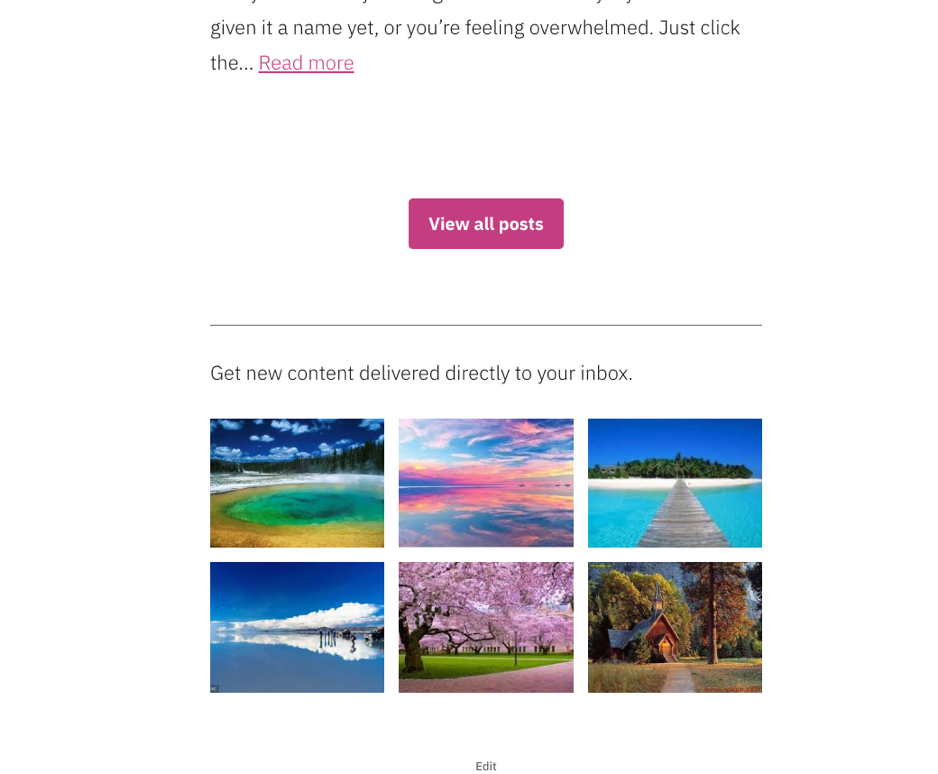
The WordPress blog, as one of the most popular open source blogging and content management systems (Douglass et al., 2006), provides an effective platform for users to access information (Williams et al., 2011), and helps users create a website to promote business or private life quickly and better (Leary, 2010). and accessibility is quite important in the changing world. Therefore, I choose to create an image gallery to highlight the idea of access and demonstrate advantages of accessing information through the WordPress blog.
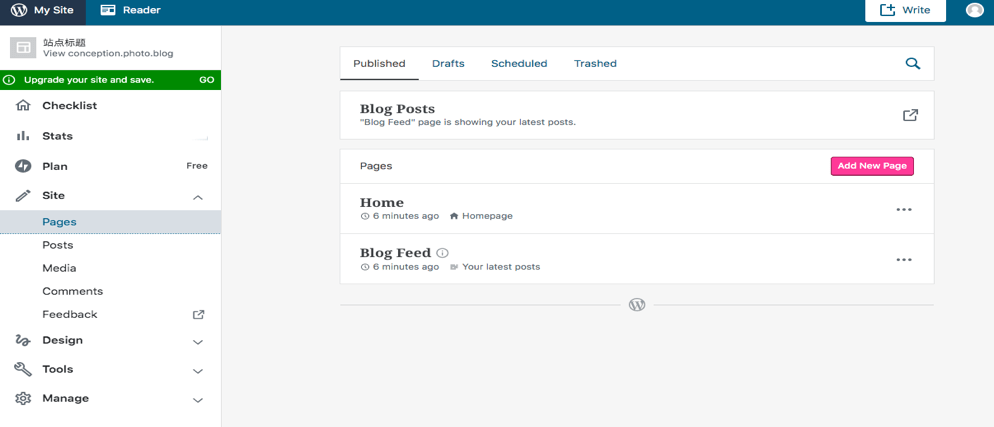
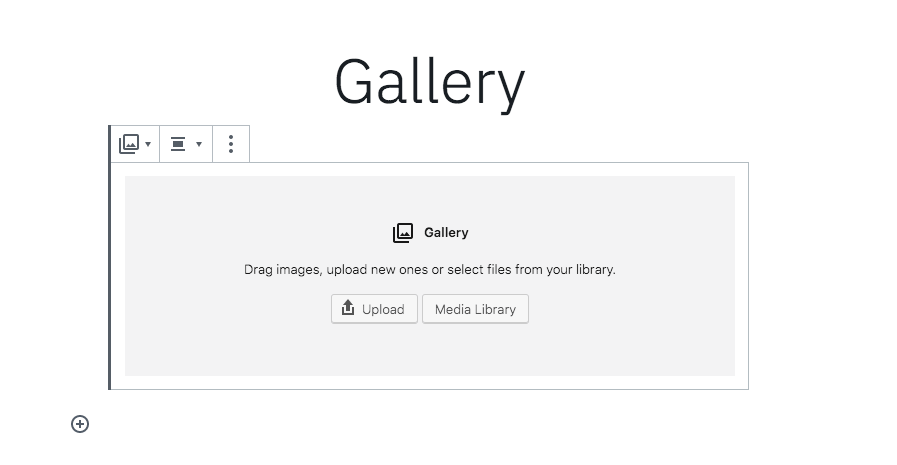
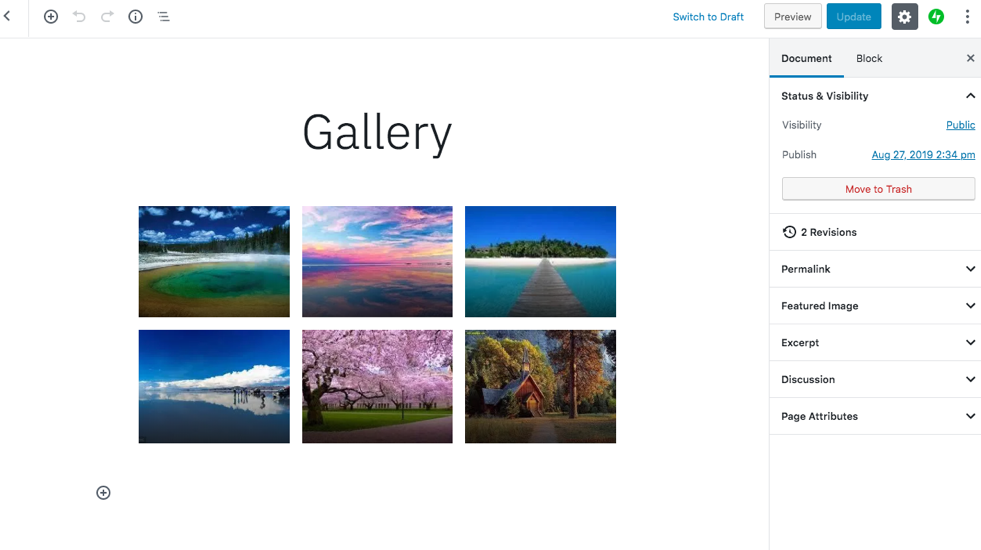
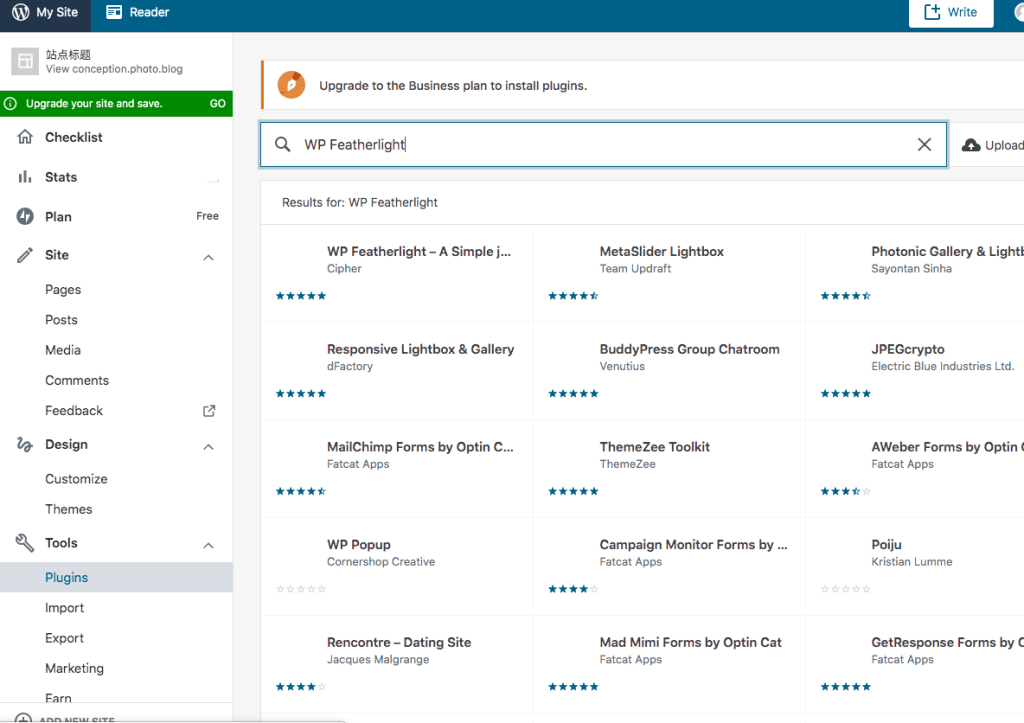
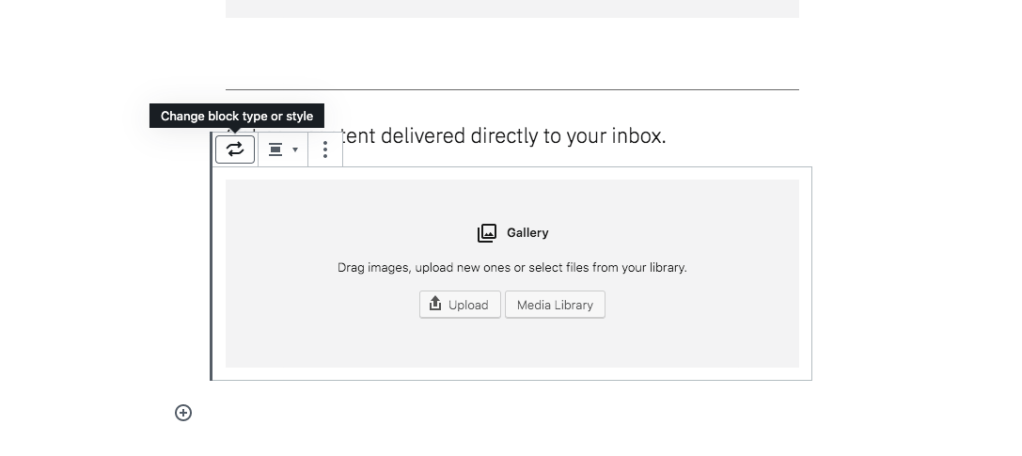
To create an image gallery, I followed three steps. In the first beginning, I created a new page, which was called “Gallery”, and added images to the gallery from the computer and then published. I could successfully see the image gallery after clicking the view page button and the image could be viewed in a larger size as long as I changed it into the media file. Next, in order to make it easy to view the next image on the gallery when one singular picture was opened, I added a feature box called “light-box”. With “light-box” features, I can click two items on both sides of the picture and view pre- or post- images directly. To add this feature, I installed a plugin called “WP Featurelight” to the WordPress and the items were shown on both sides of the image. WordPress boasts a framework that allows users to easily customize and extend it through plugins (Williams et al., 2015). Last, I added the image gallery to an Elementor page. I created the new image gallery with uploaded images in the page of Editing with Elementor page, and turned off the lightbox features. By doing so, I successfully added the image gallery to the Elementor page. The image gallery has been successfully created in my WordPress blog. The complete process of creating image gallery is shown as follows:
Step 1: Add new page, upload images and change these into larger size
Step 2: Add “light-box” plugin
Step 3: Add the image gallery to the Elementor page
Accessibility is a significant characteristic for individuals and organizations. In my WordPress blog, I created an image gallery to experience an effective way to access hundreds of pictures, which is simply an example for the convenience and effectiveness that the WordPress blog conveys with accessibility characteristic. By doing so, my friends, family, even strangers could view my pictures and get access to my blog in an easy way, which is really helpful for information sharing and knowledge exchange. In conclusion, WordPress, as the most popular blogging and content management platform (Stern & Williams, 2010), is a powerful tool.
Reference:
Douglass, R. T., Little, M., & Smith, J. W. (2006). Building online communities with Drupal, phpBB, and WordPress. Apress.
Leary, S. (2010). Beginning WordPress 3. Apress.
Stern, H., Damstra, D., & Williams, B. (2010). Professional WordPress: design and development. John Wiley & Sons.
Williams, B., Richard, O., & Tadlock, J. (2011). Professional WordPress Plugin Development. Wrox Press Ltd..
Williams, B., Damstra, D., & Stern, H. (2015). Professional WordPress: design and development. John Wiley & Sons.
This is an example post, originally published as part of Blogging University. Enroll in one of our ten programs, and start your blog right.
You’re going to publish a post today. Don’t worry about how your blog looks. Don’t worry if you haven’t given it a name yet, or you’re feeling overwhelmed. Just click the “New Post” button, and tell us why you’re here.
Why do this?
Because it gives new readers context. What are you about? Why should they read your blog?
Because it will help you focus you own ideas about your blog and what you’d like to do with it.
The post can be short or long, a personal intro to your life or a bloggy mission statement, a manifesto for the future or a simple outline of your the types of things you hope to publish.
To help you get started, here are a few questions:
Why are you blogging publicly, rather than keeping a personal journal?
What topics do you think you’ll write about?
Who would you love to connect with via your blog?
If you blog successfully throughout the next year, what would you hope to have accomplished?
You’re not locked into any of this; one of the wonderful things about blogs is how they constantly evolve as we learn, grow, and interact with one another — but it’s good to know where and why you started, and articulating your goals may just give you a few other post ideas.
Can’t think how to get started? Just write the first thing that pops into your head. Anne Lamott, author of a book on writing we love, says that you need to give yourself permission to write a “crappy first draft”. Anne makes a great point — just start writing, and worry about editing it later.
When you’re ready to publish, give your post three to five tags that describe your blog’s focus — writing, photography, fiction, parenting, food, cars, movies, sports, whatever. These tags will help others who care about your topics find you in the Reader. Make sure one of the tags is “zerotohero,” so other new bloggers can find you, too.